AI Fashion Resale: How Taggy Is Making Sustainable Shopping Smarter in the UAE
There’s a growing movement happening inside wardrobes across the UAE. Rather than constantly buying new, more people are choosing to shop smarter, giving pre-loved pieces a second life instead of letting them gather dust at the back of the closet. Once considered a niche market, fashion resale has evolved into one of the industry’s fastest-growing sectors, driven by a new generation of shoppers who value sustainability, affordability and individuality in equal measure.
While buying second-hand has become increasingly popular, selling it can still feel like hard work. From taking photos and writing product descriptions to pricing items, replying to buyers and organising delivery, the process can quickly become more effort than it’s worth. It’s no surprise that so many perfectly good pieces end up forgotten at the back of the wardrobe instead of finding a second life. Now, a UAE-based platform is looking to change that.
Fashion Meets Artificial Intelligence
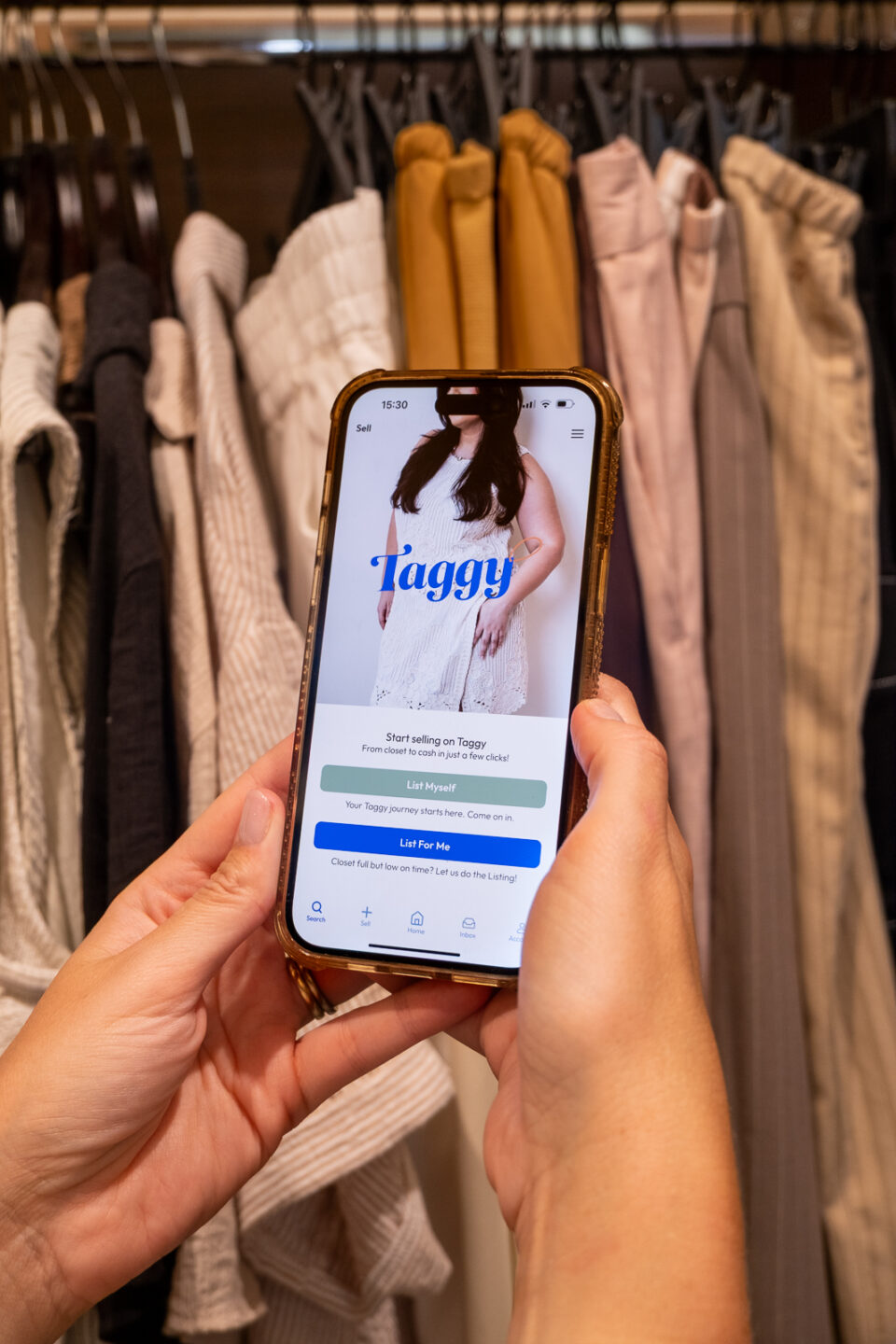
Taggy is bringing artificial intelligence into the world of fashion resale with one simple mission: to make buying and selling pre-loved clothing as effortless as purchasing something brand new.
Designed specifically for the Middle East, the platform combines AI-powered technology with a streamlined user experience to remove many of the frustrations traditionally associated with second-hand marketplaces.
Instead of spending valuable time creating listings from scratch, sellers can rely on AI-assisted tools that help generate product titles, descriptions, categories, style tags and even pricing recommendations. The result is a faster, simpler listing process that allows users to turn unwanted clothing into cash with significantly less effort.
For those who want even more convenience, Taggy’s long-term vision extends beyond self-listing, with services including virtual listing support, professional photography and in-person listing assistance. It’s resale designed for modern lifestyles.
Why Circular Fashion Matters
The rise of resale isn’t simply about decluttering wardrobes or finding designer bargains. It’s also becoming an increasingly important part of the sustainability conversation.
According to the United Nations Framework Convention on Climate Change, the fashion industry is responsible for approximately 10 per cent of global greenhouse gas emissions, driven by complex supply chains, energy-intensive manufacturing and rapidly changing consumer trends.
Extending the lifespan of existing clothing is one of the simplest ways consumers can reduce fashion waste without sacrificing personal style. Rather than purchasing something new, buying pre-loved keeps garments in circulation for longer, reducing demand for new production while helping minimise textile waste.
In the UAE, this shift also reflects the country’s wider sustainability ambitions, including the Net Zero 2050 Strategy and the Circular Economy Policy 2021–2031, both of which encourage more responsible consumption and improved resource efficiency. Fashion, it seems, is becoming part of a much bigger environmental conversation.
A Smarter Shopping Experience
Technology isn’t only making life easier for sellers. For buyers, artificial intelligence is quietly transforming the shopping experience too.
Instead of endlessly scrolling through thousands of unrelated listings, Taggy learns from individual shopping behaviour. Favourite brands, preferred sizes, saved wishlists and browsing habits all contribute towards creating a personalised feed that becomes increasingly relevant over time.
The result feels less like searching through an online classifieds website and more like browsing a curated fashion boutique. Combined with secure payments, buyer protection and fulfilment-led services, the platform also helps address one of the biggest barriers to buying second-hand: trust.
When resale feels reliable, convenient and intuitive, choosing pre-loved becomes a much easier decision.
Changing How We Think About Our Wardrobes
Perhaps the biggest shift isn’t technological at all. It’s psychological. For years, wardrobes have been filled with clothes purchased for holidays, weddings, birthdays or trends that lasted only a season before disappearing into storage.
Today, those forgotten pieces are increasingly being viewed as assets rather than clutter. Instead of leaving garments unworn indefinitely, platforms like Taggy allow users to unlock their value while giving someone else the opportunity to enjoy them.
It’s an approach that benefits both sides of the marketplace. Sellers recover value from clothing they no longer wear, while buyers gain access to quality fashion at significantly more accessible prices. Everyone wins and the planet benefits too.
The Future of Fashion Is Circular
Resale is no longer an alternative way to shop. It’s becoming part of the mainstream fashion economy. As consumers become increasingly conscious of both their environmental impact and spending habits, technology is helping remove many of the practical barriers that have historically prevented people from participating in circular fashion.
“Taggy was created to make resale feel effortless,” says Mark Leeming, Co-Founder of Taggy. “Our goal is to build the region’s most intelligent fashion marketplace, one that uses technology to remove the friction from selling, buying and discovering pre-loved fashion. By making resale easier, more trusted and more accessible, we can help build a future where sustainable shopping becomes the first choice, not the alternative.”
As AI continues to reshape industries from healthcare to finance, fashion is proving no exception. With innovation making resale faster, smarter and more accessible than ever before, the next chapter of shopping may not begin in a boutique, but in someone else’s wardrobe.
Whether you’re looking to clear out your closet, discover hidden fashion gems or simply shop more consciously, platforms like Taggy are demonstrating that sustainability and style can go hand in hand. After all, the most sustainable outfit may already exist and it just needs a new owner.