Heather Mills on the Science Behind Her ‘No Bloat’ Meals
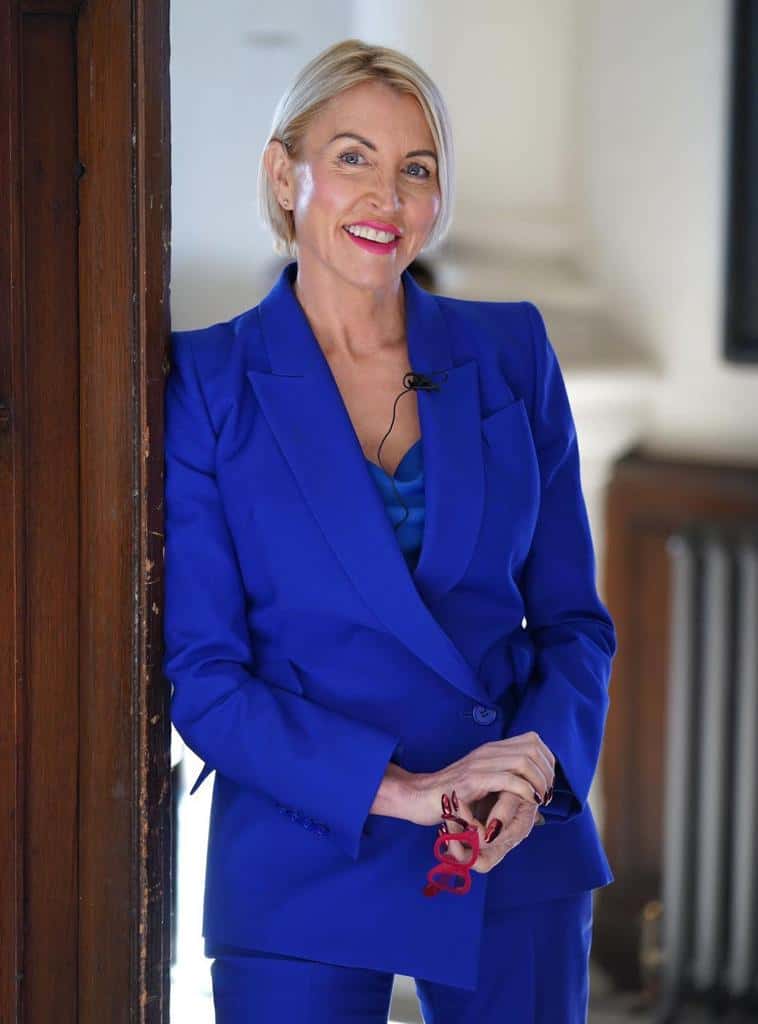
After decades of pioneering plant-based innovation, Heather Mills, Founder of No Bloat, is stepping into a new chapter rooted not just in sustainability, but in deeply personal healing. Launching No Bloat at Gulfood 2026, Mills introduces a groundbreaking range of gut-friendly, freeze-dried meals designed to support digestive comfort and restore confidence around eating.
Inspired by her own long battle with Lyme disease and severe digestive challenges, this latest venture blends science, lived experience, and nutritional innovation to help people nourish their bodies without fear.
In this exclusive interview, she shares how adversity shaped her mission, why gut health is the future of food, and how No Bloat aims to give people something many have lost: the freedom to eat well and feel good.
You’re launching No Bloat at Gulfood 2026, one of the world’s most influential food platforms. What does this moment represent for you personally after decades of innovation in plant-based food?
A: In a way it really feels like the culmination of many decades of work. In 1993 I set out with the goal of offering people a pathway to a healthier, more sustainable diet – for the benefit of human health, animal wellbeing and the environment. It’s been a turbulent journey, and we’ve come up against countless forms of opposition from the incumbent, government backed meat and dairy sectors, but I like to think common sense and verifiable science is slowly winning the ‘war’! No Bloat is a monumental milestone for us – and not just because its plant based. 13 years of data-led research went into ensuring a 99% chance of zero gut reaction to these meals – enabling people to eat quickly, healthily and in harmony with their own bodies, pain-free will be the greatest reward of all!
Your own experience with Lyme disease and severe digestive challenges played a key role in shaping No Bloat. How did that personal journey change the way you think about food, health, and freedom?
I would say profoundly! It’s incredible what you can take for granted – being able to eat simple foods and enjoy your meals without fear of pain, bloating, acid reflux, constipation…when that ability is removed it makes you quite philosophical – my reaction was to try and create a solution. Just as when I lost my leg in the 90s – plant-based innovation started for me as a way to cure my infected leg and retain the use of my knee. I believe very strongly that we need to do all we can to turn life’s challenges to our advantage and create something positive from an adverse situation.
Following a Lyme disease diagnosis in 2013, I experienced prolonged digestive distress, which led to restrictive diets, medical frustration, and eventually a deep dive into the relationship between specific food ingredients and the microbiome.
I had endless endoscopies and colonoscopies, manometries, small intestinal bacterial overgrowth (SIBO) tests, and H. Pylori tests that showed I had serious GERD (gastroesophageal reflux disease) and IBS (irritable bowel syndrome). I became so afraid to eat because of the extreme pain and severe bowel reactions that I eventually gave up eating most solid foods out of fear of an accident on a ski slope! I was living off 4,000-calorie shakes to survive my extreme sports training.
Many surgeons advised surgery—Nissen fundoplication surgery to create a new lower esophageal valve, a partial colon removal (and a stoma bag), etc. If I were not so questioning by nature, having been misdiagnosed so many times in my life (for example, being told I would never have children, which I later did), I would have gone along with these surgeries, and today, I would not have my colon intact. I just couldn’t shake the feeling that the health professionals were not addressing the underlying causes.
After living as a vegan for thirty years, it was a nightmare—how could I ever have a digestive disorder? I took a very deep dive, eventually discovering that the solution for me was to minimize the extreme stress in my life and lower my consumption of certain FODMAPs, which I found I could no longer digest. For those who don’t know, FODMAP is an acronym for fermentable oligosaccharides, disaccharides, monosaccharides and polyols. High-FODMAP foods include some dairy products, grains, and certain vegetables, such as garlic and onions, which I had always thought were healthy and which I had enjoyed for decades as the basis of my vegan diet. You can learn more about FODMAPs on our web page “What Are FODMAPs?”; the key takeaway is that many people can eat healthy high-FODMAP foods without issue, but some people have poor absorption, which can lead to gut issues.
For me, minimizing FODMAPs was easier said than done, as little was known at that time about them. What I discovered was that many products marketed as gut friendly were, for me, anything but. I also discovered that my personal journey was part of a broader shared experience. Until I embarked on this path, I had no idea how many people suffered in silence. A large portion of the adult population worlwide will at some point suffer from some form of digestive ailment or affliction.Brennan Spiegel.MD.MSHS did the largest study at Cedars Sinai regarding acid reflux and Gerd, stating a third of the US population might experience acid reflux every week and PPI’s are not always the answer.
In 2013, I was inspired to research and implement a solution so that others would no longer have to suffer as I had. Luckily, I am, among other things, a food manufacturer, and my company, VBites, established in 1993 ( previously Redwood) pioneered many of the dairy-, meat-, and fish-free options on the market today, so I had a solid basis from which to develop a solution. The result, after years of intense testing and analysis, is “No Bloat,” which we launched in 2025 after years and year of studying the Gut and it’s reaction to food. I strongly believe that ours is the first and only convenient product on the market to fully support gut friendly eating for those struggling with digestive symptoms related to FODMAPs. Fortunately, I’m not alone in feeling this way. The highly acclaimed Monash University—global leaders in gut health—and the Harley Street Functional Gut Clinic agree: after many tests on their patients, they have lent their stamp of approval to the No Bloat range (the first time they have opted to endorse such a product).
Many people struggle silently with gut sensitivities and food-related anxiety. What do you hope No Bloat gives people emotionally, beyond just physical relief?
As I say, to be able to take back control of your diet and eat with confidence without fear of reaction is monumentally empowering psychologically for those that suffer. It changes everything – you can hit the gym, travel long distances, partake in a day’s work – whatever it may be – without worrying about that extra burden you must carry – or in my case having to keep a bathroom nearby at all times! But ‘No Bloat’ isn’t just for those with digestive sensitivities. My partner, Mike, who is lucky enough not to have any digestive issues and is very fit and active eats about three No Bloats a day purely because he doesn’t like spending time cooking and they’re incredibly healthy!
Unlike conventional ready meals, No Bloat uses freeze-drying and 100% natural ingredients with no additives. How does this process preserve both nutrition and flavour while remaining so convenient?
The easiest way to think about it is when we source our vegetables from the ground they contain their maximum number of nutrients – as soon as we harvest, the ticking clok begins and that nutritional value gradually declines. By freeze-drying, early in the process, we put a stop on that clock so that when you come to ‘reactivate’ the food with hot water, it’s more nutritious than most of the fresh veg you’ll buy in the supermarket. It also captures and even enhances the flavour – so what we’re left with is real food. Very nutritious food. And ingredients that are measured and microdosed to give you exactly the right proportions of those healthy foods for your body to process.
How does No Bloat fit into your legacy of redefining what’s possible in food?
I was speaking with my team the other day and we believe this is our proudest achievement – because it solves so many challenges at once – the desire for nutrition, the desire for speed and convenience, the desire for variety (we have 8 meal variations already), and most importantly the desire to maintain a pain-free gut and abolish intolerance.
Gut health has become a major wellness conversation, but it can feel overwhelming or confusing. What’s one misconception about digestion or FODMAPs you’d love to clear up?
There are SO MANY products on the market that claim to be gut-friendly but they simply are not. Thye may contain healthy ingredients, but even these (such as onion or garlic in my case) can lead to reactions and pain if not provided in the appropriate amounts. I would implore anyone suffering to try No Bloat and I’m certain they’ll never look back. And always look for the stamps of approval – we are stamped by the Monash University in Australia (the preeminent global authority on gut health; and the Harley Street Functional Gut Clinic) – there’s a reason they haven’t provided these stamps to any other food products on the market.
How do you see the future of gut-friendly and functional food evolving, and what role do you hope No Bloat will play in empowering people to eat with confidence wherever they are?
I see it as the essential future of food. It’s unfortunate that I had to experience extreme issues to realise this, but if this can lead to helping alter the direction of global food production and resultantly help millions of people lead happier and healthier lives, then I wouldn’t change a thing.