How to Eat Well Without Counting Calories

For years, calorie counting has been marketed as the gold standard of healthy eating. Track everything, log every bite, stay within the numbers, but in reality, this approach often creates more stress than success, especially in busy, social, real-life environments.
The good news? Eating well doesn’t require an app, a calculator, or obsessive tracking. In fact, many nutrition experts now agree that sustainable, long-term health is built through habits, awareness, and balance, not numbers.
Here’s how to nourish your body, feel energised and enjoy food without ever counting a calorie.
Shift the focus from numbers to quality
Not all calories are created equal. A plate of vegetables, protein, healthy fats, and whole grains will impact your body very differently than ultra-processed foods, even if the calorie count is similar.
Instead of tracking numbers, focus on food quality. Ask simple questions: Is this meal nourishing? Does it include real ingredients? Does it leave me feeling satisfied rather than sluggish?
When meals are built around whole, minimally processed foods, the body naturally regulates appetite, energy and metabolism. The need to count often disappears.
Build balanced plates without measuring
One of the easiest ways to eat well intuitively is to build balanced plates. No scales, no measuring cups, just visual cues.
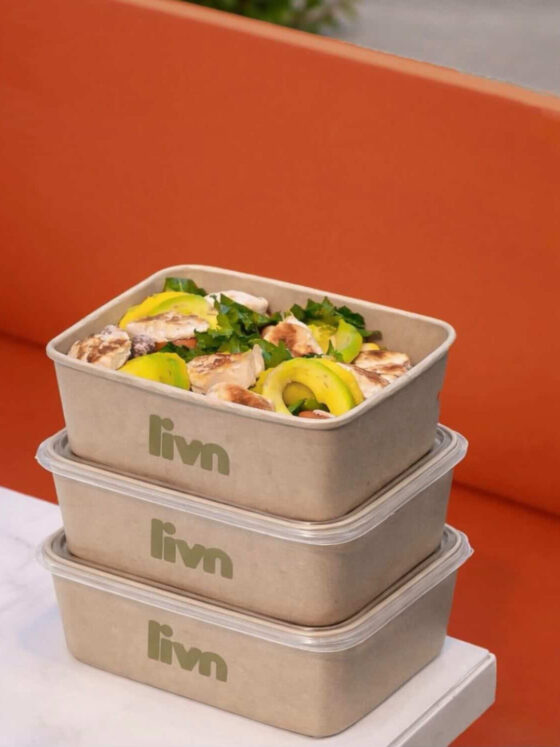
Aim for a plate that includes a source of protein, fiber-rich carbohydrates, healthy fats, and colour from vegetables or fruits. Protein keeps you full, fiber supports digestion, and fats help with nutrient absorption and satisfaction.
This approach works whether you’re eating at home, ordering takeaway, or dining out. Balance becomes instinctive, not calculated.
Learn to listen to hunger and fullness cues
Calorie counting often disconnects people from their natural hunger signals. You eat because the app says it’s time, not because your body is asking for fuel.
Reconnecting with hunger and fullness cues takes practice, but it’s powerful. Eat when you’re hungry, stop when you’re comfortably full, and notice how different foods make you feel afterward.
This doesn’t mean eating perfectly every time, it means paying attention. Over time, your body becomes your most accurate guide.
Prioritise protein and fiber
If there’s one “rule” that replaces calorie counting, it’s this: prioritise protein and fiber.
Protein helps stabilise blood sugar, supports muscle, and keeps you satisfied for longer. Fiber supports digestion, gut health, and fullness. Together, they reduce cravings and energy crashes naturally.
Include protein at every meal and snack, and choose fiber-rich foods like vegetables, fruits, legumes, and whole grains. When these two are in place, overeating becomes far less likely.
Eat slowly and without distractions
How you eat matters just as much as what you eat. Eating quickly, distracted, or on the go makes it easy to miss fullness cues and overconsume without satisfaction.
Slowing down allows your brain to register when you’ve had enough. Sitting down, chewing properly, and actually tasting your food turns meals into experiences rather than tasks.
This simple habit can dramatically change your relationship with food, no tracking required.
Stop labeling foods as “good” or “bad”
One of the biggest downsides of calorie counting is food guilt. Foods become “earned,” “cheated,” or “off-limits,” which often leads to cycles of restriction and overeating.
Eating well without counting calories means letting go of moral judgments around food. All foods can fit into a healthy lifestyle, so it’s about frequency, portion awareness, and how foods make you feel. When nothing is forbidden, food loses its power. Balance becomes natural.
Let satisfaction be part of health
Feeling satisfied after meals is not a failure, it’s essential. Meals that are too “light” or overly restrictive often lead to snacking, cravings, or overeating later in the day.
Include flavours you love. Add healthy fats, herbs, spices, and textures. Choose meals that nourish and comfort you.
Satisfaction is a key part of sustainable healthy eating and it’s something calorie counting often overlooks.
Create consistent eating patterns
You don’t need strict meal times, but consistency helps regulate hunger and energy. Skipping meals or eating erratically often leads to intense hunger and poor choices later.
Aim for regular meals and snacks that support your lifestyle. When your body trusts that food is coming, it’s easier to make balanced choices without overthinking.
Trust the process
Eating well without counting calories is not about perfection, it’s about trust. Trusting your body. Trusting hunger cues. Trusting that nourishment is more powerful than restriction.
It may feel uncomfortable at first, especially if you’re used to tracking everything, but over time, this approach builds a healthier relationship with food, reduces stress, and supports long-term wellbeing.
You don’t need to count calories to eat well. By focusing on quality, balance, satisfaction, and awareness, healthy eating becomes intuitive rather than exhausting.
Food is meant to fuel you, support you, and bring joy. When you stop counting, you often start feeling better, mentally and physically.