Farha App: AI-Powered UAE Wellness Platform for Emotional Wellbeing
There was a time when wellness felt aspirational. Expensive gym memberships, silent retreats, productivity hacks and perfectly curated morning routines became symbols of a life supposedly lived “well.”, but beneath the surface, many people were still overwhelmed, emotionally exhausted and quietly disconnected from themselves.
Nowhere is this shift more visible than in the Gulf, where rapid growth, ambition and hyper-connectivity have transformed not only the way people work, but also the way they experience stress, identity and emotional wellbeing. In a region where conversations around mental health have traditionally remained private, a new generation is beginning to look at wellness differently, not as a luxury, but as something essential to everyday life, and increasingly, technology is becoming part of that conversation.
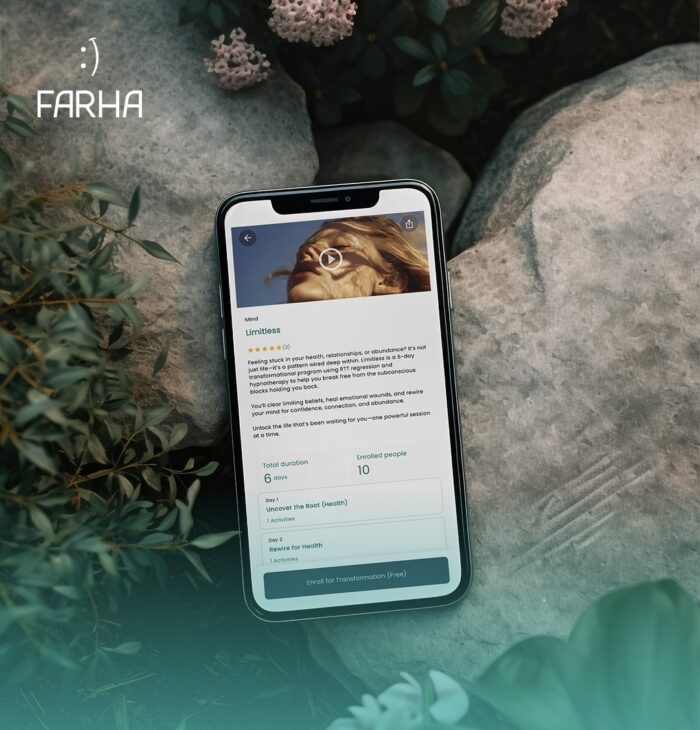
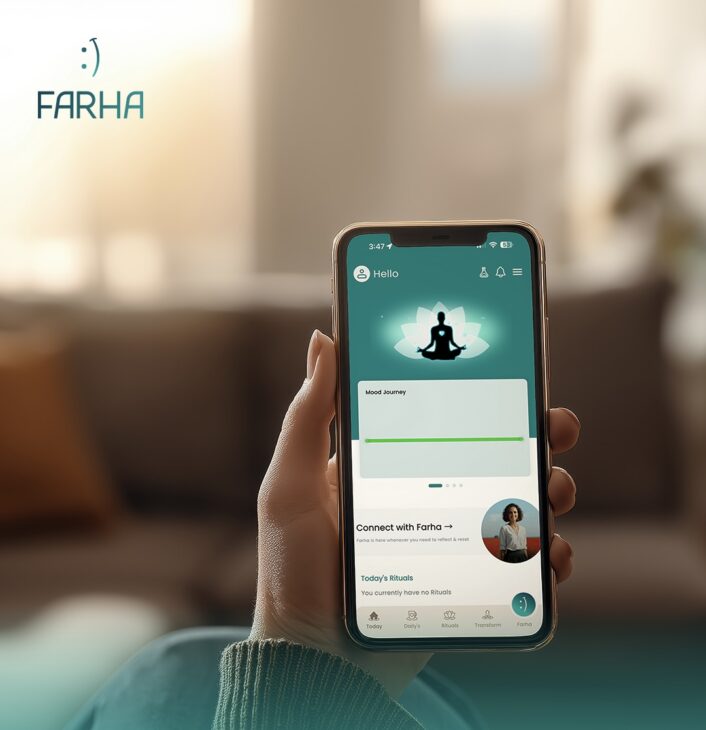
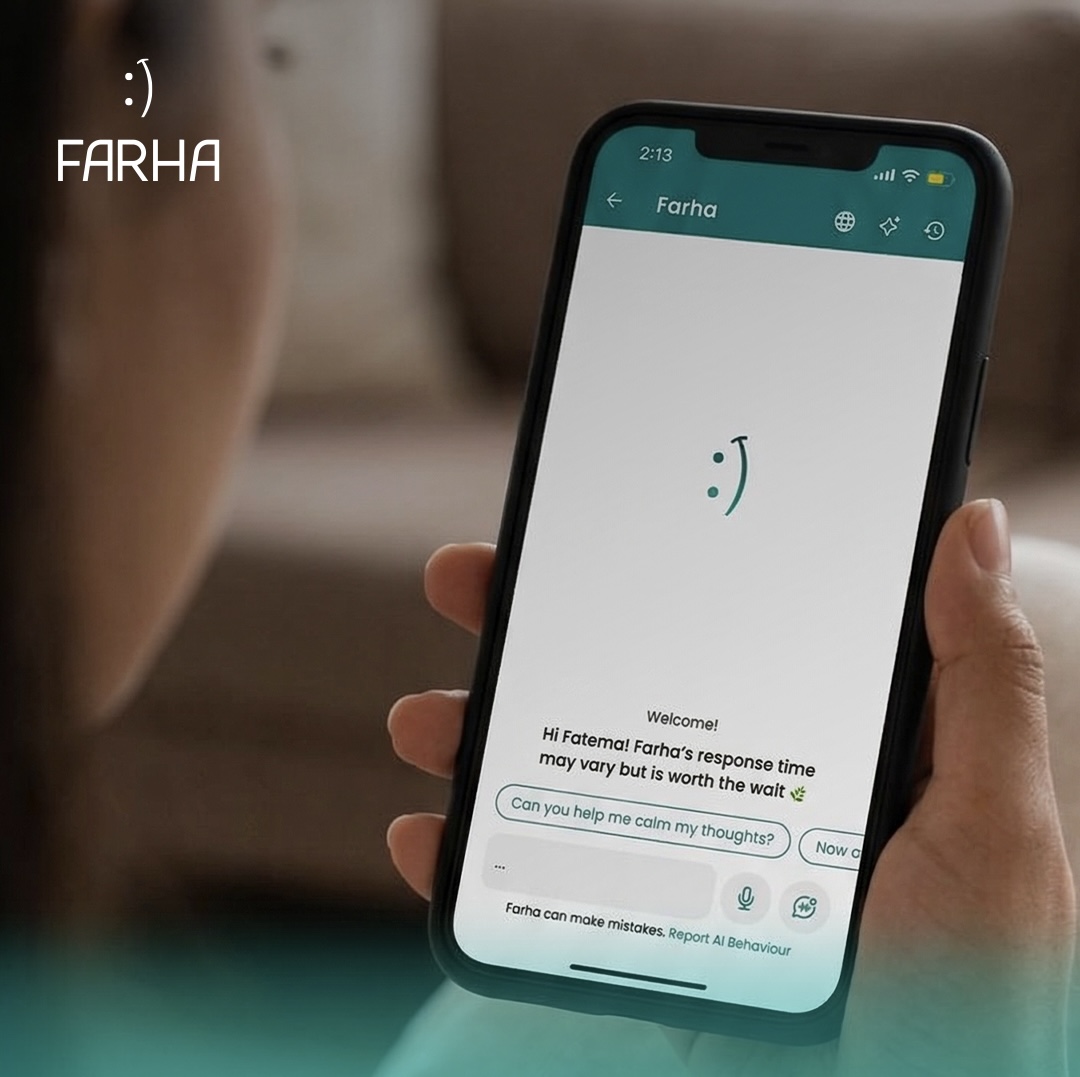
Enter Farha App, a newly launched AI-powered wellness platform from the UAE that is taking a more human approach to digital wellbeing. Rather than positioning itself as another self-optimisation tool, Farha has been designed as an emotionally intelligent companion, one that supports reflection, habit-building and emotional awareness in a way that feels accessible, private and deeply personal.
Its philosophy is simple yet timely: wellness should not feel intimidating, performative or out of reach. It should feel like a calm space to come home to yourself.
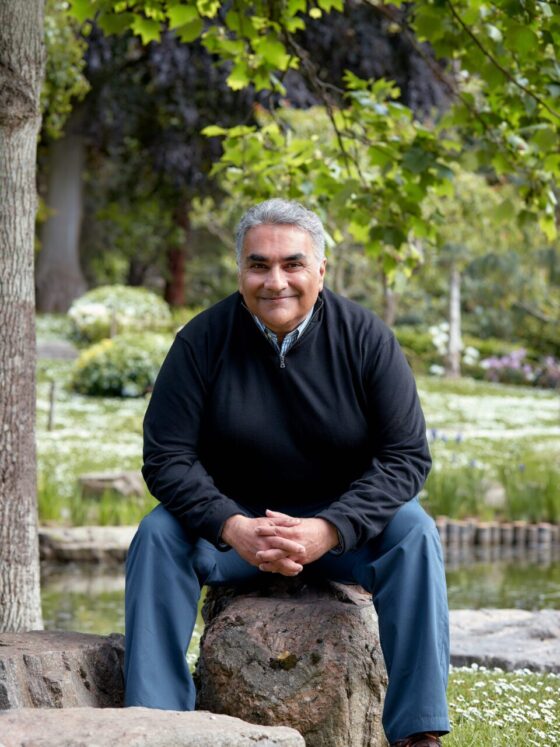
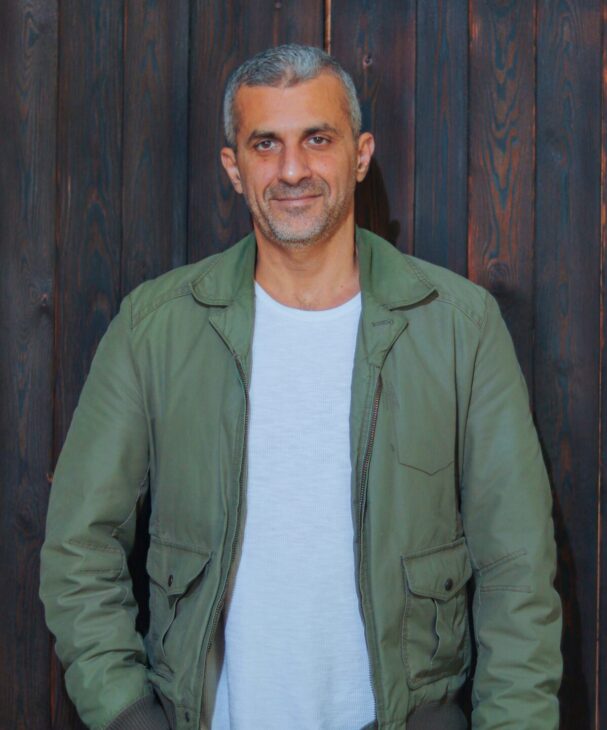
Founded by Sherif El-Leissy, Farha was born from personal experience. After years working in banking and high-performance environments, El-Leissy began questioning what success truly meant and what was being sacrificed in the pursuit of it. His transition from finance into purpose-driven wellness reflects a wider cultural shift taking place across the region, where conversations around burnout, emotional health and balance are becoming increasingly impossible to ignore.
What makes Farha particularly interesting is the way it merges technology with emotional intelligence. In many ways, the app represents a new frontier in wellness, one where AI is not simply used to improve efficiency, but to support emotional wellbeing and human connection.
At the centre of the platform is an AI-powered life coach available 24/7 through both text and voice. Unlike traditional wellness apps that often rely on generic advice or rigid programmes, Farha adapts to individual users over time, learning from behaviours, emotional patterns and personal goals to provide tailored guidance and support.
The experience feels intentionally soft and non-judgemental. There are no overwhelming dashboards or pressure-driven systems. Instead, users are encouraged to engage through small daily “Rituals,” designed to help create sustainable habits around mindfulness, emotional reflection and personal growth, and that’s why platforms like Farha are resonating now.
Modern wellness has often become synonymous with optimisation. Sleep tracking. Biohacking. Productivity scores. Constant self-improvement. But many people are no longer looking for another system telling them how to perform better. They are looking for tools that help them feel more grounded, emotionally regulated and connected to themselves again. Farha taps directly into that emotional need.
The app also addresses two of the biggest barriers that continue to exist within the wellness space: accessibility and privacy. Therapy, coaching and personal development services can still feel financially inaccessible to many people, while stigma around emotional support remains present in parts of the region.
By creating an anonymous, always-available platform, Farha opens the door to a different kind of support system, one that feels discreet, approachable and integrated into daily life rather than reserved only for moments of crisis.
This reflects a broader evolution happening globally, where wellness is becoming less about occasional escape and more about continuous emotional maintenance. Just as people use fitness apps to support physical health, emotional wellbeing tools are beginning to become part of everyday routines too. The difference is that Farha approaches this through a distinctly regional lens.
Rooted in the UAE yet designed with a global outlook, the platform reflects the Middle East’s growing influence in shaping the future of lifestyle, wellness and technology. The region has already established itself as a leader in innovation, luxury hospitality and future-facing infrastructure, but increasingly it is also becoming a space where conversations around emotional wellbeing and conscious living are evolving in meaningful ways. Farha sits at the intersection of all of these shifts.
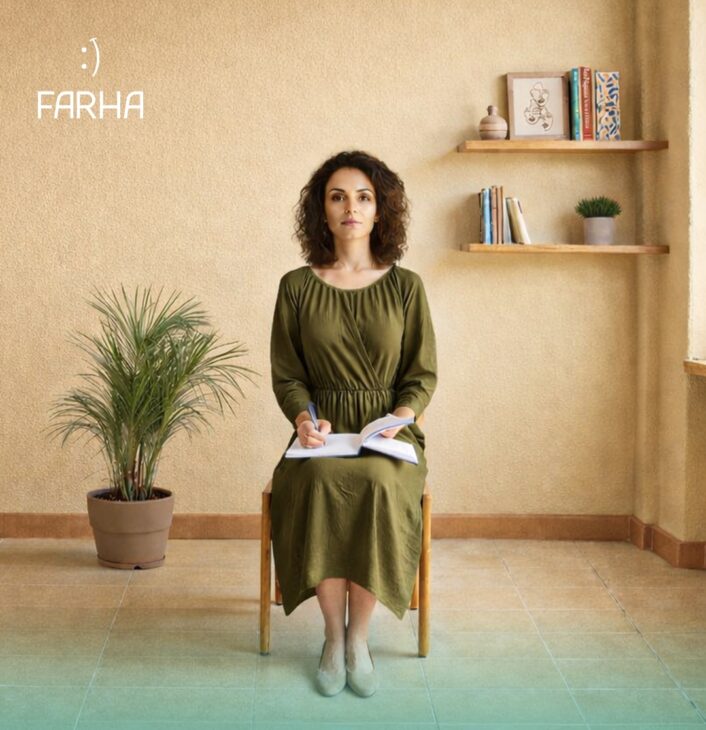
It also raises an interesting question about the future of wellness itself. As AI becomes more integrated into modern life, could emotionally intelligent technology eventually become part of how people navigate stress, relationships, self-awareness and personal growth?
For some, the idea may still feel unfamiliar. Wellness has traditionally been associated with human touch, face-to-face interaction and physical experiences. But Farha suggests that technology and emotional support do not necessarily have to exist in opposition to one another. When designed thoughtfully, technology can also create space for pause, reflection and emotional clarity.
In a world that often feels louder, faster and more overstimulating than ever, that kind of intentional stillness may become one of the most valuable forms of wellness of all.
Farha is not trying to replace human connection. Instead, it offers something many people quietly need: a supportive presence available in the moments between everything else. A place to check in with yourself, to slow down, reflect and breathe.