Why Pilates Is Leading the Wellness and Longevity Movement
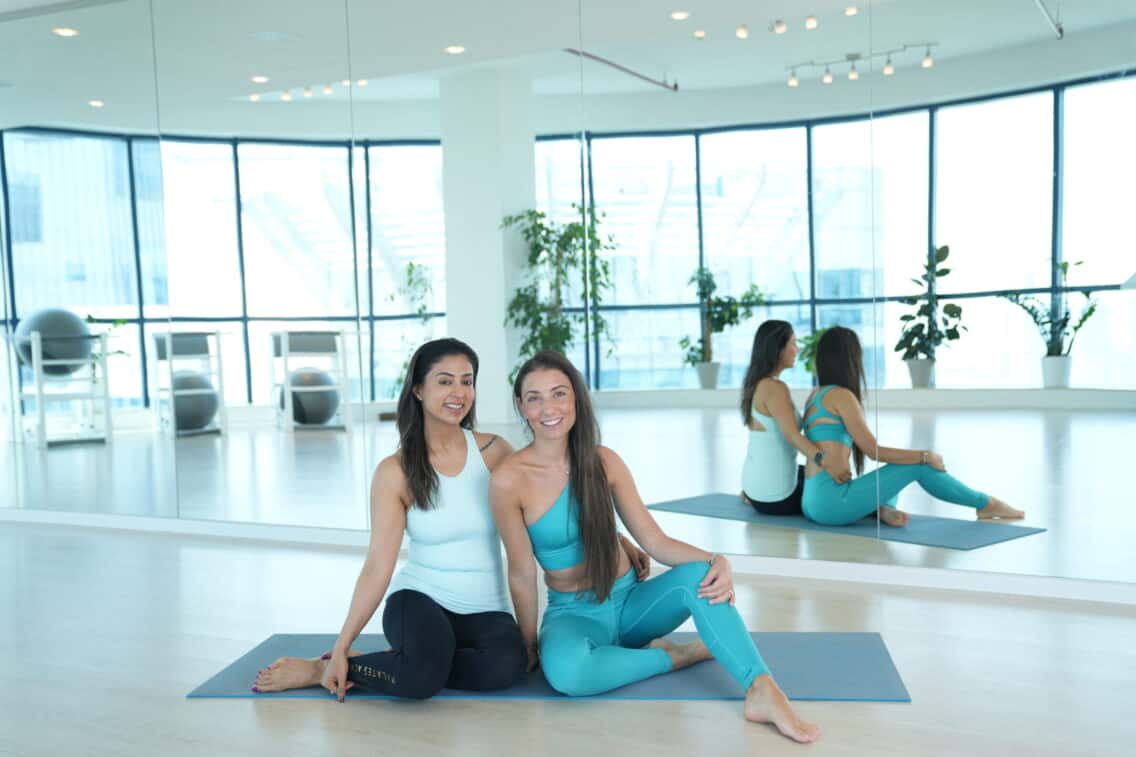
From boutique studios to social media feeds, Pilates has become one of the most sought-after movement practices in the world and nowhere is that more evident than in Dubai, where reformer studios are opening at a rapid pace. According to Cloe Sommadossi, the resurgence of Pilates isn’t about trends or aesthetics though, it’s about science, longevity and intelligent movement.
As the founder of Pilates Academy® Dubai and an international educator with more than 25 years of experience, Sommadossi has witnessed the evolution of Pilates from a niche rehabilitation method into a global wellness phenomenon. In this exclusive interview, she shares why Pilates continues to grow scientifically and culturally, the real story behind the reformer boom, and how the practice is shaping the future of movement, rehabilitation and sustainable health.
Pilates has experienced a huge global resurgence in recent years. Why do you believe Pilates has evolved beyond being a trend and continues to grow scientifically and culturally?
Pilates has endured for more than a century because it is a fundamentally intelligent movement. What we are seeing today is not a trend, but a rediscovery of a method that was far ahead of its time. Modern science is now validating many of the principles Joseph Pilates described decades ago: spinal health, neuromuscular coordination, breath mechanics, and the importance of physical awareness. At the same time, our lifestyles have become increasingly sedentary, stressful and screen based, which creates a real need for practices that restore balance in the body and nervous system regulation. Pilates offers exactly that. It sits at the intersection of science, rehabilitation, and mindful exercise, which is why it continues and will continue to grow globally, if properly taught and executed.
Reformer Pilates seems to be everywhere right now, especially in cities like Dubai. What is driving the surge in demand?
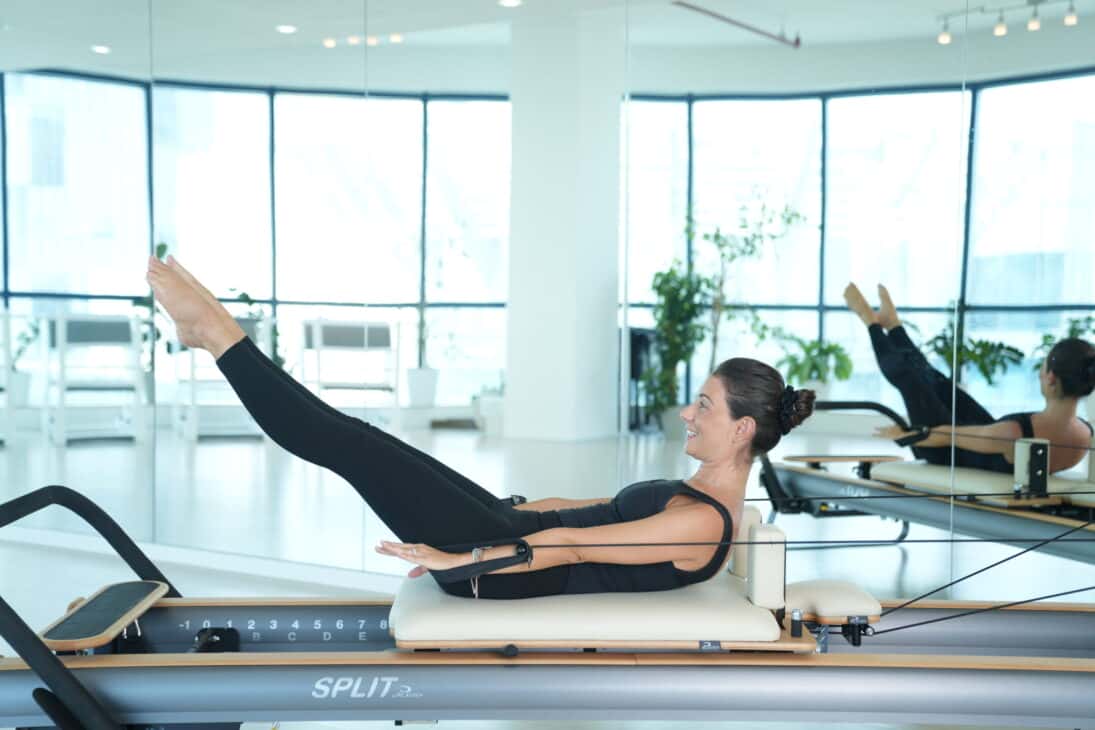
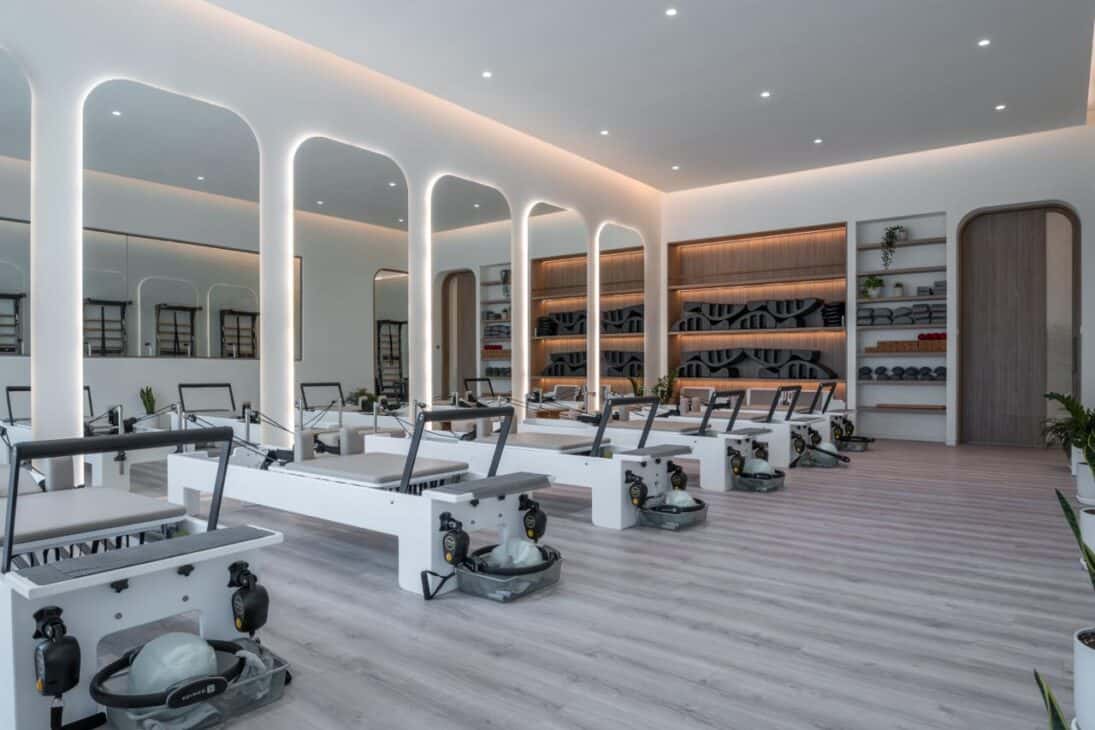
The Reformer is visually engaging and extremely versatile, which makes it very appealing to modern studios and clients. It allows people to experience strength, mobility, and coordination in a way that feels both challenging and supportive. In cities like Dubai, where people are busy and results oriented, the Reformer offers an efficient full body workout that is also low impact. Social media has also played a role by showcasing the equipment in a very appealing way. That said, the Reformer is only one part of the Pilates system. The real depth of the method comes from the integration of multiple pieces of equipment and a strong understanding of movement principles.
You have over two decades of experience in the Pilates world. How has the practice evolved since you first began, and what excites you most about where it’s heading?
When I began my journey more than 25 years ago in Europe, Pilates was still relatively niche and strongly connected to rehabilitation clinics and a small community of dedicated teachers. Today it has entered the mainstream, which has created both opportunities and challenges. What excites me most is the growing dialogue between Pilates, movement science, physiotherapy, and biomechanics. We now have access to far more research and anatomical knowledge, which allows us to refine how we teach and apply the method. At the same time, there is a renewed appreciation for the original principles of the work. The future of Pilates lies in honoring its roots while continuing to evolve with science.
Pilates is often associated with fitness, but it’s also widely used in rehabilitation. How can Pilates support injury recovery and long-term physical health?
Pilates was originally developed as a method to restore and maintain functional movement in the body. It was designed not only to support rehabilitation after injury, but also to improve posture in the general population and enhance functional performance in athletes. Its emphasis on alignment, controlled strength, mobility, and breath makes it highly adaptable in rehabilitation settings. When applied correctly, Pilates helps retrain movement patterns, improve joint stability, and rebuild strength in a progressive and safe way, while also playing an important role in injury prevention. For this reason, many physiotherapists integrate Pilates principles into their work, as the exercises can be adjusted to meet people at different stages of recovery. Beyond rehabilitation, Pilates supports long term health by maintaining spinal mobility, improving posture, and helping people move more efficiently in daily life.
As an international educator, you’ve trained instructors across different countries. Why is proper certification and education so important in the Pilates industry today?
Pilates is often perceived as simple, but teaching it well requires a deep understanding of anatomy, biomechanics, and movement analysis. Pilates is not choreography and it is not simply a fitness routine. It is a method based on precise principles that must be understood and applied correctly to be effective. Without proper education, it is easy for instructors to repeat exercises without understanding their purpose or how to adapt them safely for different bodies. As the popularity of Pilates grows, maintaining high educational standards becomes even more important. At Pilates Academy®, education has always been the foundation of everything we do. Our goal is not just to train instructors to teach exercises, but to help them understand movement deeply so they can guide clients responsibly and create meaningful, lasting improvements in people’s quality of life.
You founded Pilates Academy® in Dubai in 2014. What inspired you to establish the academy here, and how has the wellness landscape in the region evolved since then?
When I moved to Dubai, I saw a city that was rapidly growing but still developing its wellness culture. There was enormous potential to introduce high quality Pilates education and create a professional environment for both instructors and clients. I founded Pilates Academy® with the vision of building a space dedicated not only to practice but also to education and professional development. Over the past decade, the wellness industry in the region has expanded dramatically, and interest in Pilates has grown not only as a practice but also as a business opportunity. This evolution has influenced our own development, leading us to expand into education, equipment, and franchise partnerships. Today Dubai has become a global hub for health and fitness, with a community that is increasingly informed and interested in intelligent, sustainable approaches to movement.
Boutique fitness studios are increasingly outperforming traditional gyms. Why do you think specialised concepts like Pilates studios resonate so strongly with modern clients?
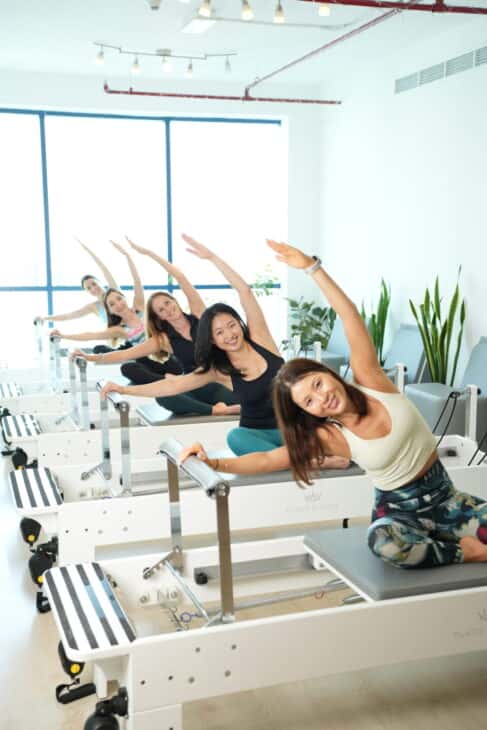
People today are looking for experiences that feel personal, purposeful, and guided by expertise. Boutique studios offer a level of attention and specialization that large gyms often cannot provide. In a Pilates studio, clients work with trained instructors in smaller groups or private sessions, allowing for more precise guidance and a deeper understanding of their bodies. This creates a strong sense of trust and community that many people value. Modern life is incredibly intense and fast paced, and many people are beginning to realise that their bodies and nervous systems benefit from forms of movement that are both effective and mindful. Unlike many traditional gym workouts, Pilates develops strength, mobility, and control without excessive impact or unnecessary stress on the body and mind. For clients who are interested in longevity, balance, and sustainable health, this approach resonates deeply.
Scaling a fitness brand while maintaining quality can be challenging. What have been the biggest lessons in building and growing Pilates Academy® as a franchise?
One of the most important lessons is that growth must always be supported by strong systems and clear values. When expanding Pilates Academy®, we focused first on defining our educational standards, operational processes, and brand philosophy. Those elements act as the foundation that allows the brand to grow without losing its identity. Another key factor is choosing the right partners. A franchise is not simply about opening more locations, but instead building a network of professionals who genuinely believe in the method and the quality we represent. When those values are aligned, expansion becomes a natural extension of the original vision.
What do you see as the next big shift in Pilates, whether in training methods, technology, or the way people approach movement and wellness?
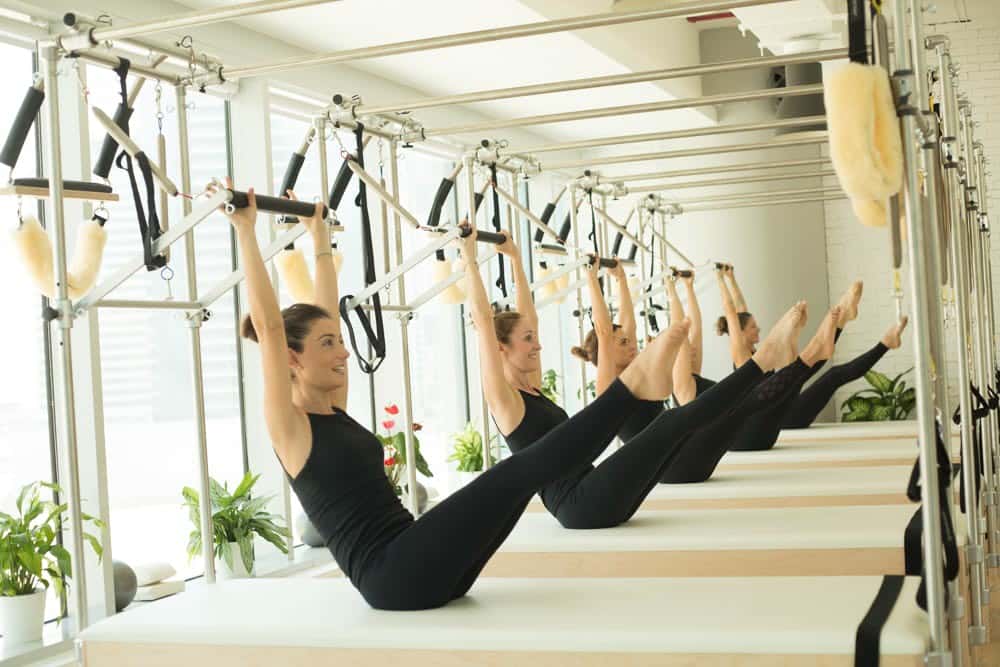
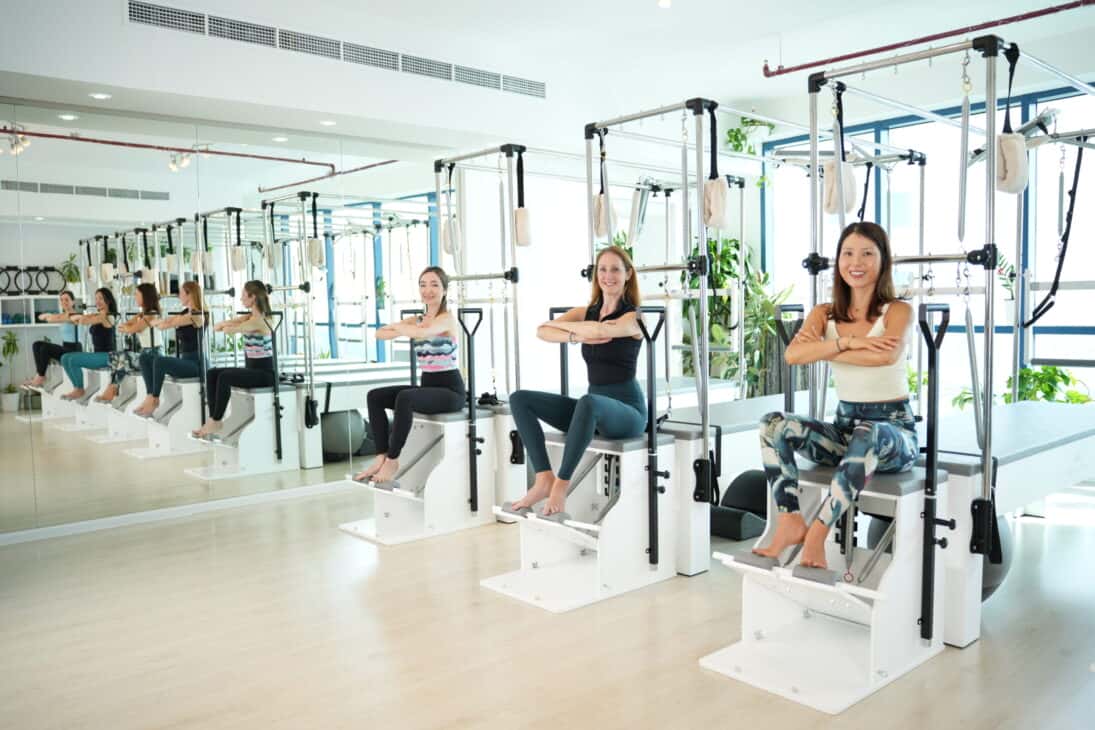
I believe the next shift will be a deeper integration between Pilates, science, and technology. We are already seeing greater collaboration between Pilates teachers, physiotherapists, and movement researchers. Technology will also allow education and training to reach a wider global audience through online platforms and digital learning environments. At the same time, I think people will increasingly seek practices that support longevity rather than quick results. We are also beginning to see more studios rediscover the richness of the full Pilates system, integrating a wider range of equipment such as the Cadillac, Chairs, and Barrels rather than focusing exclusively on the Reformer. Pilates is uniquely positioned in the longevity space because it combines strength, mobility, coordination, and awareness. The future of the method lies in maintaining its depth while making its benefits accessible to more people around the world.