Reading During Ramadan: How Books Nourish Your Mind and Soul While You Fast
Open a book. And let it take care of you for a while. Perhaps the most nourishing thing you consume this month won’t be on your plate — it will be on a page.
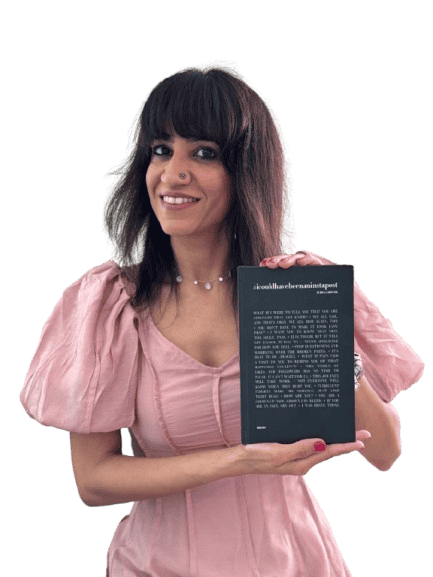
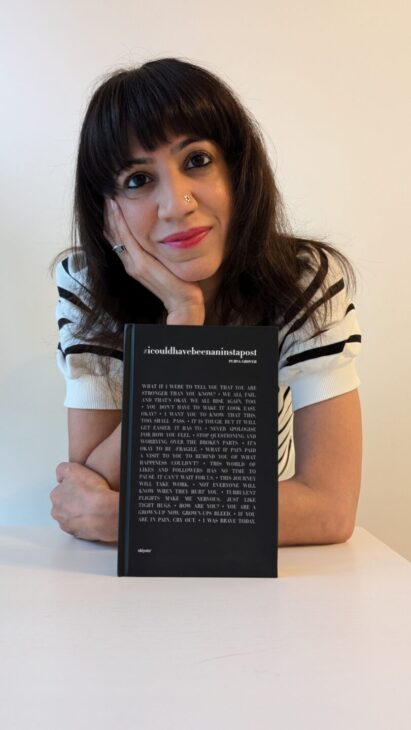
By Purva Grover, author, journalist, TEDx speaker, playwright & stage director, storyteller, creative educator & entrepreneur:
It’s flu season, and of course, it caught up with me, too. After I completed my course of antibiotics, ate enough oranges for Vitamin C, and rested well, I visited my doctor last week for a final check-up and a go-ahead. He asked about my sleeping habits, then, “So, what are you reading these days?” I smiled — correction, I smirked.
Here was someone asking me a long-answer question. You don’t ask that of an avid reader, now, do you? I shared the names of the books on my nightstand, in my tote bag, and in my wishlist shopping cart. “I hope you are reading good books,” he smiled. “This will help you heal faster. Good stories!” He signed off on my prescription.
As I walked out of the clinic, I was reminded of a study in which doctors began recommending playtime for children—encouraging them to get dirty, bruised, and sweaty instead of staring at screens, plugged into headphones. Had my doctor just prescribed me the adult version of playtime? Some joy. Some essential nutrients. It got me thinking about how nourishment can look different for each of us. It can be a pill. A glass of protein shake. A plate of freshly cut apples. Or it can be a book. Can words be nourishing? I mean, could we stir them into water or plant-based milk like protein powder and feel recharged? Perhaps yes.
A quick search will tell you that reading for as little as six minutes a day can reduce stress levels by up to 68 percent. It lowers heart rate, eases muscle tension, improves sleep, and may reduce the risk of anxiety and depression. It sharpens the mind, deepens empathy, and offers a therapeutic escape. Words can nourish you. Quotes from avid readers and authors often remind us of this — in masterclasses, at podiums, during panel discussions. We are told that a book a day can keep the doctor away. And yet, even with our timelines filled with reminders about nourishment and self-care, we are tempted to buy Korean skincare masks — but we don’t often buy ourselves a book. Do we?
This Ramadan, as Dubai slows down a little — as traffic eases, work hours shorten, and time for self and devotion becomes more important — gift yourself a scoop of stories. A short story when time feels scarce (and isn’t it always?). A hefty novel to read while you wait for iftar. An audiobook when your eyes are tired. A magazine, when the idea of a full literary meal feels overwhelming. We do enough for our physical health. We commit to our New Year’s resolutions to show up at the gym (how’s that going, now that it’s almost mid-February?). We sign up for Pilates classes and even marathons. We experiment with diets — hopping and skipping between kale, celery, and avocado. But how often do we pause to nourish our minds and souls?
How does a hop-skip-return between a classic, a fairy tale, a business self-help, soothing poetry, a tale of dragons, one set in a university, or even one set on Mars sound? Just as you fill your salad jar with what you enjoy — skipping what you dislike, adding dressing to soften the bite, sprinkling seeds for texture — do the same with your reading.
Yes, don’t fall under pressure to read Shakespeare or the “must-read 10 books before you die” listicles. Choose what your taste buds would best respond to. Like watching movies — let your preferred genre guide your initial book choices too. And be kind to yourself. Nourishment is never performative or hurried. It is slow and reaps benefits only if you surrender to it. Surrender to the habit, even if it’s imperfect. Even if you don’t manage to finish a complete book during Ramadan. Don’t worry about The End. What counts is making a beginning.
Over time, you will enjoy how it nourishes you. But you may enjoy even more what leads up to it — the lingering while choosing a book, the discipline of not reaching for your phone, the courage to stay still when distraction calls. And then, the quiet way it calms your nerves and softens your thoughts.
Let it nourish you gradually — not overfill you until you feel bloated or stuffed. Let it fill your heart. This Ramadan, go on a 30-day diet of stories and words, and see how your body and heart feel. And if you choose not to read, I do hope you choose to paint, or sing, or crochet. Nourishment, after all, must be chosen.