The Future of Feel-Good Living: How Smart Automation Helps People Thrive
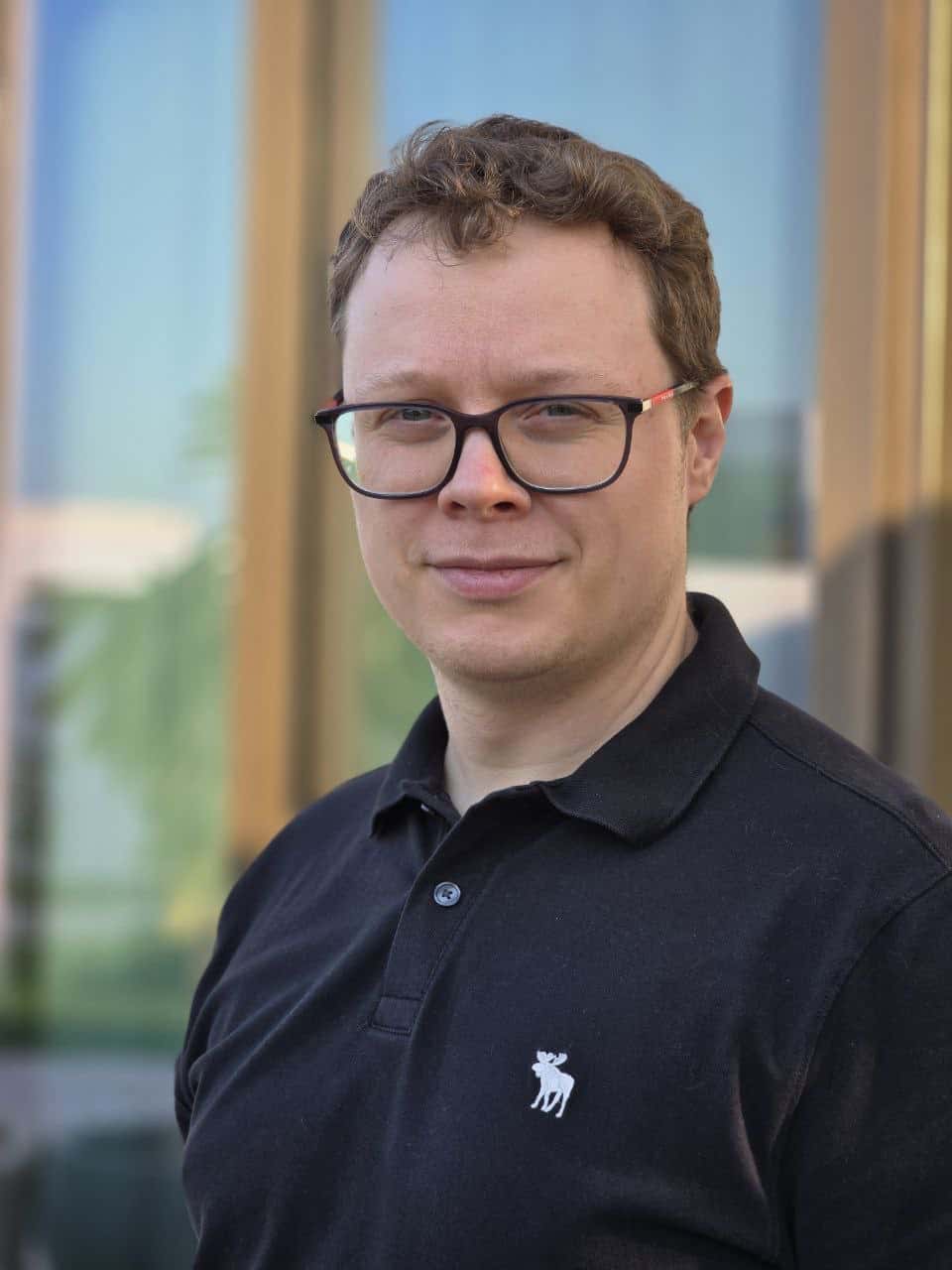
By Dmitri Gartung, IT Entrepreneur & Founder of OneSun
Dmitri Gartung shares how smart automation is reshaping work, reducing stress, preventing injuries, and giving people more time to invest in what truly makes them feel good. It’s a vision of a future where technology and human wellbeing work hand in hand, enabling us to thrive rather than just survive.
Imagine a world where gruelling factory shifts or endless data entry in an office no longer drain our energy and optimism. That is possible.
Automation has already played a historic role in transformed societies in the 20th century, from reducing child labour by 80-90% to making consumer goods universally affordable. Today, smart tech tackles the Four D’s of work environments: Dull, Dirty, Dangerous, and Difficult tasks, paving the way for healthier, more fulfilling lives.
I’m Dmitri Gartung, founder of a UAE-based company OneSun, where we’re exploring efficient automation solutions. With my early school focus on math and science, followed by economics studies, I’ve long been driven to envision tech that boosts well-being while minimizing environmental impact.
Hight-risk environments for robots, not for people.
Industrial robotics is a global solution for people to avoid hazardous, harmful, and repetitive work in manufacturing. The most obvious way to make lives safer and longer is to replace people with robots in harsh, contaminated, or high‑risk environments, where there are fumes and exhausts, extreme temperatures, sand, chemicals and metal shavings.
Globally, hazardous work causes issues with respiratory diseases caused by fumes and dust with workers facing a double or triple higher asthma risks. By taking people out of such conditions and leaving these jobs for machines, we cut down on respiratory illnesses, eye issues, injuries and oncology caused by cumulative effects. Injuries and accidents are becoming a thing of the past with the development of robotics.
The highest level of industrial automation is a “dark factory” or “light-out”. It is a highly automated manufacturing plant or workshop that operates with no human presence, relying on robots-manipulators, logistic robots, and IoT systems for 24/7 production. People definitely benefit from not working in such factories, visiting these facilities only during service procedures.
Robots reduce stress and human error
Research shows that monotonous and repetitive work causes mental stress, which is later reflected in the physical state of the body, including increased blood pressure and increased wear and tear of the heart muscle. It is easier to program a robot once which will repeat the same actions thousands or millions of cycles.
Maybe less dramatic but none-the-less important is to replace people with robots when dull office jobs are done for the benefit of emotional well-being. Studies show that many white-collar workers suffer from what is called “boreout” or a burnout of chronic boredom caused by dull, meaningless work and being underchallenged. Boreout is believed to spread beyond working environments and make people’s lives miserable through depression, high rates of stress, anxiety, insomnia and headaches. Up to 25% of white-collar workers report it, per Belgian studies, leading to 15% higher insomnia.
One of the characteristics of being human is the ability to make mistakes, get tired, break expensive machinery or lose valuable material. Robots when programmed well don’t make mistakes and don’t get tired.
In 2021, Crypto.com intended a $100 AUD refund but transferred about $10.5 million AUD (roughly $7.2 million USD) due to an employee entering the customer’s account number into the payment field on an Excel spreadsheet. The error went unnoticed for seven months until an audit, leading to legal action after the recipients spent part of it on a mansion. This and similar incidents underscore how unchecked manual inputs can lead to outsized consequences in digital finance. Can you imagine the stress of the employee, its managers, and whole staff caused by this situation?
The most boring office tasks can be automated. Keying in data points from one program to another, doing simple accounting, going through lists of job candidates, searching for flight tickets – when done by a human are not only dull, but stressful as they need to be done to a deadline or in competition with other people. Simple Robotic Process Automation (RPA) can leave these employees to do more interesting tasks, something more creative and higher level.
Automating data entry cuts errors by 90%, according to global consultancy Deloitte. Actually, you can transfer fear of mistake and stress about it to program robots which we develop and use internally for our personnel well-being and focusing on creative tasks.
Social impact
We often hear that robots steal jobs from people, but this is far from the truth. If we examine the long-standing leaders in robot density per 10,000 workers, according to the International Federation of Robotics (IFR) reports, we find that these are countries with the lowest unemployment rates – South Korea, Singapore, Japan – where unemployment has remained around 3% for decades. At the same time, these countries have a high number of scientists, researchers, artists, creator of photo, video, and musical content, realizing their creative and scientific potential.
In fact, the latest global framework for robotics – Industry 5.0, introduced by the European Commission – places human‑centricity in the at its core. While Industry 4.0 focused on full automation, Industry 5.0 reflects a shift among international policymakers and researchers toward a more human‑centric, sustainable, and resilient approach to robotics and automation. r, using technology to enhance skills, creativity, and decision-making, rather than replacing them.
At OneSun our mission is not only to help people thrive with robotics, but care for the environment while we do it. We design unique industrial robots from recycled aluminum. We make them lighter in weight so they cost less and need less energy to work. Recycled aluminum’s infinite recyclability cuts mining deforestation, with generative designs achieving 40% weight savings. This also enables robots to be deployed in countries with high electricity costs without forcing to relocate production abroad, while helping people move away from monotonous professions.
Not only for the big guys
While industrial robots are making life better at large industrial production sites, even small businesses can adopt simple automations for emails or invoices, enabling remote work and work-life balance – especially for parents who want to stay at home more and see their children grow. Freelancers using RPA see 20% productivity gains, enabling hybrid work.
Having more time for family, home-cooking, wellbeing, rest, relaxation, sport, travelling is achievable with automation and robotics without loss of productivity and wealth.