Emotional Preparation for Ramadan: How to Strengthen Your Mental Wellbeing
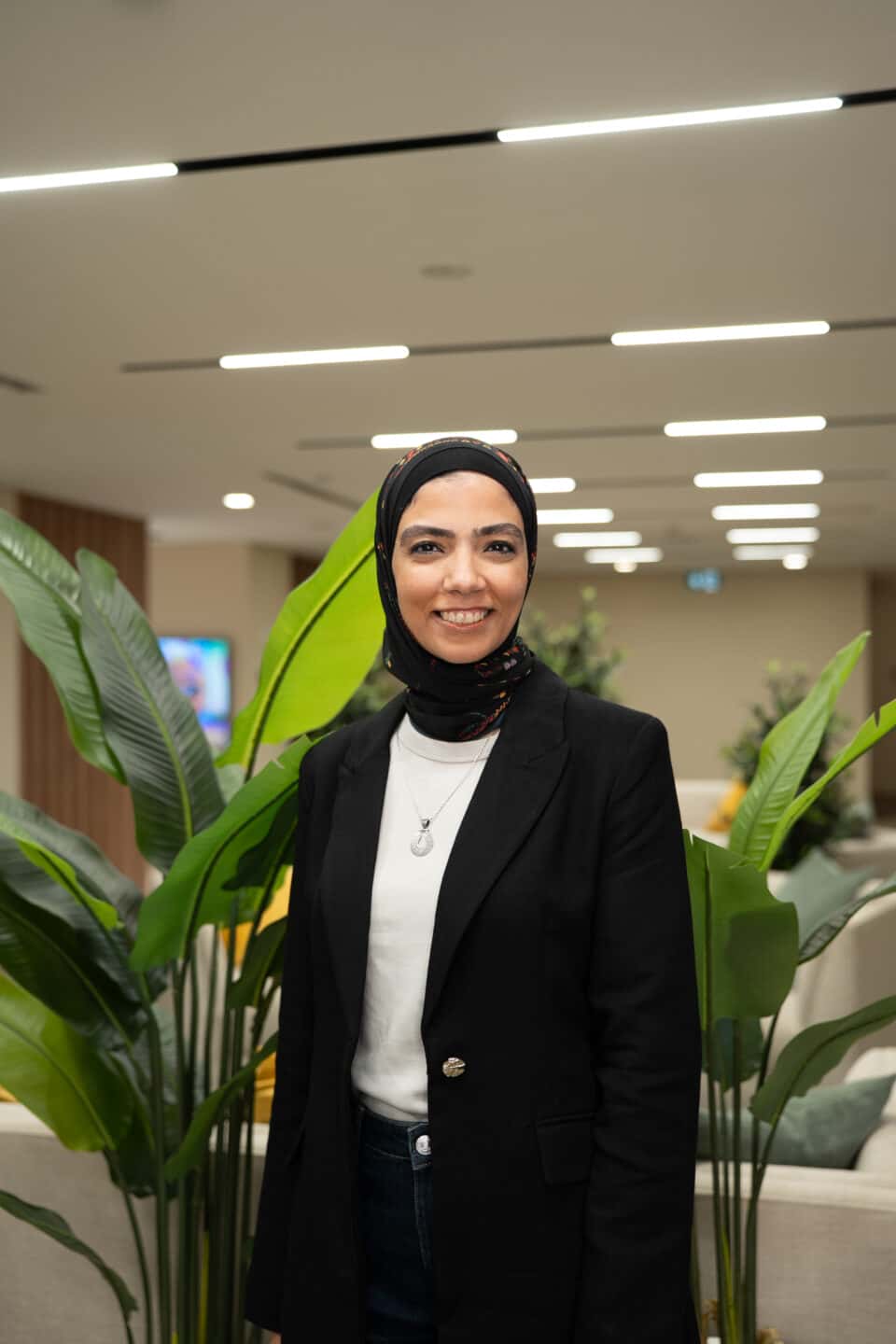
By Dr. Sara Elawady, Specialist Psychiatrist for Adults at Sage clinics
Have you prepared for Ramadan? When you hear this question, what comes to mind first? Perhaps spiritual preparations: night prayers (qiyam), taraweeh, fasting, giving charity, or maybe practical preparations like planning meals, outings, or even choosing special clothes. But have you ever paused to think about how you welcome Ramadan emotionally? How do you prepare yourself emotionally for this month?
Ramadan isn’t just about what we eat or when we pray; it affects our routines, energy, sleep patterns, social rhythm, and even how we respond to ourselves and others. Preparing emotionally can make the month not only spiritually meaningful but also deeply grounding and personally enriching.
Seeing Ramadan as an emotional recharge
Fasting naturally slows life down, giving us space to notice our inner world -patience, irritability, gratitude, or fatigue. These shifts aren’t inconveniences, but opportunities to understand how we cope with stress, pressure, and emotional ups and downs. By tuning into our emotions, we can practice self-awareness and learn from everyday experiences.
For many living in urban hubs like Dubai and other global cities, Ramadan brings a unique mix of demands. Work schedules continue, social invitations increase, sleep may be disrupted and energy levels fluctuate.
On top of that, hunger, fatigue, and changes in blood sugar can make emotions feel more intense. Being aware of this in advance is part of emotional preparation. Instead of expecting to function exactly as you do outside Ramadan, try adjusting your expectations. Productivity might look different. Social energy might need to be managed intentionally. And emotional reactions may require more patience and compassion toward yourself and others.
Treating Ramadan as a learning space
Think of Ramadan as a yearly emotional retreat. You enter with your usual habits, coping styles, and stress responses, and ideally leave with greater emotional maturity, patience, and self-awareness. It doesn’t require perfection, just noticing.
For example, if you find yourself getting irritable toward the end of a fasting day, pause and ask: What do I really need right now? Perhaps it’s a quiet moment, rest, reassurance, or simply a reminder that your body is tired and fasting.
That brief pause can turn a reactive moment into a mindful one. Interestingly, this idea aligns with Islamic guidance. The Prophet ﷺ advised that if someone feels angry while fasting, he should pause and remind himself, “I am fasting” (Allahumma inni sa’im) before responding calmly. Many modern psychological principles of emotional regulation and mindfulness echo this teaching.
Fasting also reflects the concept of striving against the self (jihad al-nafs). Beyond its spiritual significance, it teaches impulse control and delayed gratification. Pausing before reacting to food, emotions, or habits builds resilience that lasts well beyond Ramadan. Being aware of our emotions also helps us navigate social obligations more gracefully.
Balancing social life and self-care
Social gatherings can be emotionally rewarding, fostering connection and belonging, but overcommitting can sometimes create unnecessary stress, isn’t it? Give yourself permission to choose selectively, prioritise meaningful interactions and protect rest. These are ways of emotional self-care and not selfishness.
Sleep, in particular, deserves attention. Disrupted sleep is a major factor in mood swings during Ramadan. Small stabilizing rituals, consistent wind-down routines, short restorative naps, and mindful nutrition at Suhoor and Iftar can help maintain emotional balance.
All of this: managing social commitments, protecting rest, and tuning into our emotions can feel overwhelming if left unstructured. To make it easier, here are some practical tips to help you enter Ramadan emotionally prepared.
Practical tips for emotional readiness
Alongside planning prayers, meals, and social activities, consider these quick tips for emotional preparation:
- Adjust expectations & be flexible: Accept shifts in energy, sleep, and productivity.
- Prioritise sleep & rest: Regulate sleep and take short restorative naps when needed.
- Set emotional intentions: Focus on patience, calm responses, and self-compassion.
- Practice mindful responses: Pause before reacting, especially when tired or hungry.
- Balance social commitments & self-care: Enjoy gatherings, but don’t overcommit and include micro-breaks and reflection.
- See Ramadan as emotional training: Use the month to strengthen patience, impulse control, and stress tolerance.
In my clinical practice, I often discuss with clients that implementing these small practices daily can make a real difference. Over time, these intentional efforts add up, allowing Ramadan to become a month of growth.
A month of emotional growth
Ramadan invites a softer, more compassionate relationship with ourselves. Some days will feel smooth, others more challenging, and that’s okay. Emotional readiness means accepting both without harsh self-criticism.
Patience practiced while fasting, the restraint during busy days, and the conscious slowing of reactions all become lasting skills. By nurturing both your spiritual and emotional sides, Ramadan becomes more than abstaining; it becomes a time of growth, balance, and transformation.
So, this year, alongside your prayer schedule and meal plans, ask yourself: Am I ready emotionally for Ramadan? How can I approach it with presence, patience and self-compassion?